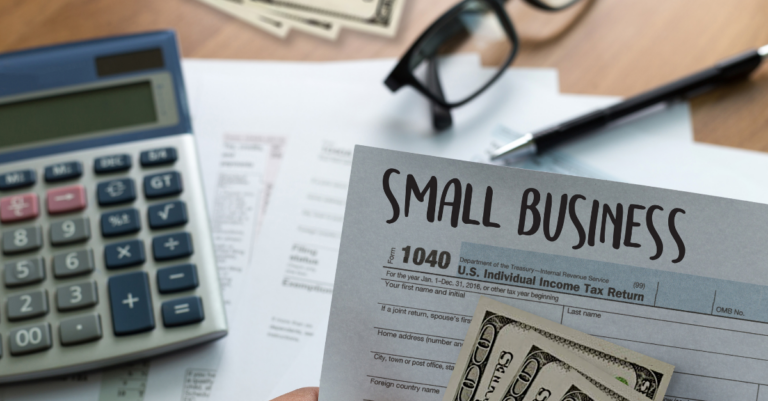

2020 – 09/23 In an announcement, the IRS stated that lenders who make Paycheck Protection Program loans that are later forgiven under the CARES Act shouldn’t file Form 1099-C, “Cancellation of Debt” with the IRS or provide a payee statement to the eligible recipient as a result of the qualifying forgiveness. Filing such information returns with the IRS could result in the issuance of under-reporter notices (IRS Letter CP2000) to eligible recipients, and the furnishing of such payee statements to eligible recipients could cause confusion. For additional information, see Announcement 2020-12:
Similar Posts
When Does a Small Business Need Tax Planning
Many business owners assume tax planning is something they’ll need later. Maybe when revenue doubles. Maybe when they hire more employees. Maybe when the business becomes more complicated. Until then, good bookkeeping and filing an annual tax return seem sufficient. The problem is that tax planning isn’t triggered by the size of a business. It’s…
Helping employees understand their health care accounts
2020 – 08/26 Many businesses now offer, as part of their health care benefits, various types of accounts that reimburse employees for medical expenses on a tax-advantaged basis. These include health Flexible Spending Accounts (FSAs), Health Reimbursement Arrangement (HRAs) and Health Savings Account (HSAs, which are usually offered in conjunction with a high-deductible health plan)….
2024 Best Accounting Firms to Work For
Bland Garvey CPAs & Wealth Advisors is proud to announce that it has been recognized as one of the 2024 Best Accounting Firms to Work For by Accounting Today and Best Companies Group. This marks the twelfth time Bland Garvey has received this prestigious honor, underscoring its commitment to creating an outstanding workplace for its…
Qualifying for a Home Office Deduction
2020 – 08/10 With millions of taxpayers working from home due to COVID-19, many people may be wondering about the possibility of claiming a home office deduction on their 2020 tax returns. In a tax tip, the IRS lists several points about qualifying for the home office deduction, including the fact that employees aren’t currently…
Does Your Vehicle Qualify for a Tax Credit?
2020 – 09/29 New vehicles are now available for a tax break. On its website, the IRS has added several 2021 model year Honda and Volvo vehicles to the list of vehicles eligible for the plug-in electric drive motor vehicle tax credit. The tax code provides a credit to the purchaser of a qualified plug-in…